Repair after conflict
3–4 yearsFamily ConnectionNo materials needed
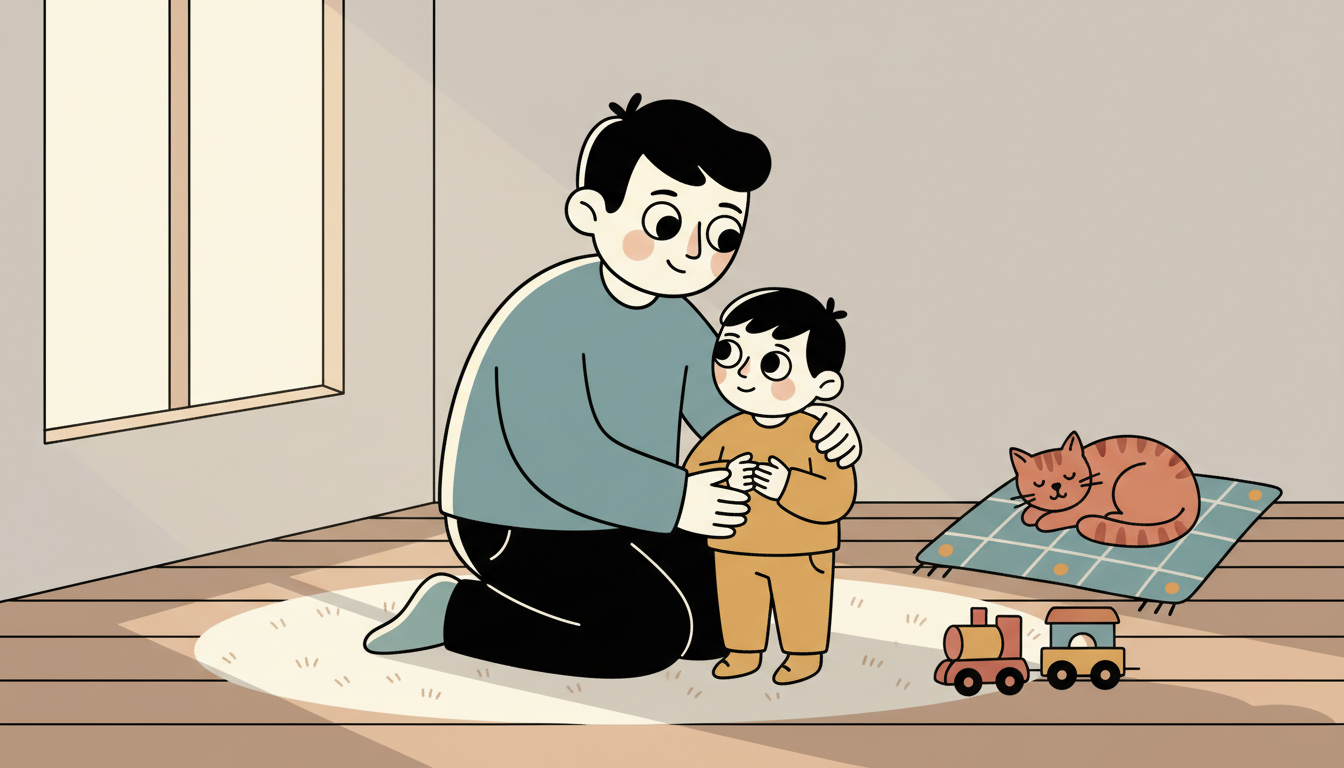
When you have had a difficult moment with your child, take time to repair the connection. Acknowledge what happened, share your feelings calmly, and reconnect. You might say, "I raised my voice earlier and that was not okay. I was frustrated, but you did not deserve that. I love you."
Part of the Steadily developmental journey — personalized to your child.
How to Do This Activity
When you have had a difficult moment with your child, take time to repair the connection. Acknowledge what happened, share your feelings calmly, and reconnect. You might say, "I raised my voice earlier and that was not okay. I was frustrated, but you did not deserve that. I love you."
Why It Works
Repairing relationship ruptures promptly teaches your child that relationships can recover from difficult moments. This builds trust and resilience. Secure attachment provides the foundation for healthy development across the lifespan (Ainsworth et al., 1978). When you model repair, you demonstrate emotional availability and help your child develop better emotional regulation (Thompson, 2008).
Tips for Parents
Repair as soon as you both are calm enough to talk. Waiting too long can leave your child feeling uncertain.
Keep it simple and honest. Young children understand authentic emotions better than complex explanations.
End with physical connection if your child wants it. A hug or sitting close can seal the repair.
Materials Needed
None
Learning Methods
Collaborative and Cooperative PlayNarrative and Literacy-Rich ExperiencesProject-Based Learning

Loved this activity? Let us do the planning for you.
Steadily personalizes every activity to your child — their interests, their stage, the traits they're building — so playtime is more fun and every moment counts.
Learn how Steadily works →