The comeback challenge
4–5 yearsSuccess MindsetMaterials: Materials for chosen challenge such as blocks, paper mazes, or sorting objects
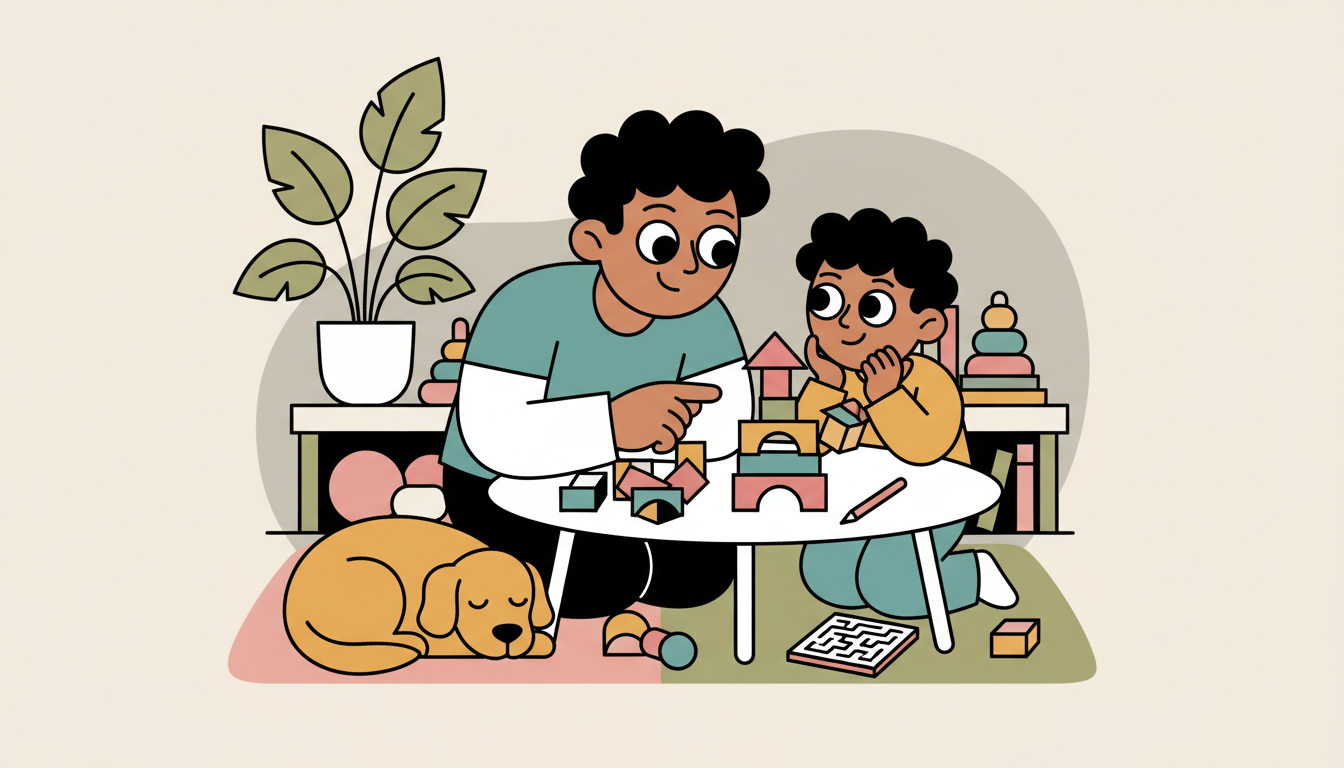
Choose an activity your child finds difficult but not impossible. It could be building a specific structure with blocks, completing a tricky maze, or sorting objects by multiple attributes. When they struggle or make a mistake, pause and talk about it. Ask 'What can we try differently?' Work on it together until you find a solution. If frustration builds, take a short break but commit to returning. Make trying again the goal, not immediate success. Celebrate the act of coming back to try a different approach.
Part of the Steadily developmental journey — personalized to your child.
How to Do This Activity
Choose an activity your child finds difficult but not impossible. It could be building a specific structure with blocks, completing a tricky maze, or sorting objects by multiple attributes. When they struggle or make a mistake, pause and talk about it. Ask 'What can we try differently?' Work on it together until you find a solution. If frustration builds, take a short break but commit to returning. Make trying again the goal, not immediate success. Celebrate the act of coming back to try a different approach.
Why It Works
Learning to return to challenges after setbacks is a core component of grit. Research demonstrates that grit showed incremental validity in predicting engagement beyond demographics and conscientiousness, with high-grit students showing better academic behaviors and sustained effort despite challenges (Datu et al., 2016). At this age, children can understand cause-and-effect relationships clearly, allowing them to connect their new strategy to different outcomes. By normalizing setbacks and teaching problem-solving when stuck, parents help children develop the perseverance aspect of grit. The key is teaching that struggle is part of learning, not a sign of failure.
Tips for Parents
Model your own comeback moments. Share when you struggled and tried again.
Avoid rescuing your child too quickly. Give them time to think and attempt solutions.
Praise the strategy they tried, even if it did not work. Say 'That was a clever idea to try.'
Materials Needed
Materials for chosen challenge such as blocks, paper mazes, or sorting objects
Learning Methods
Project-Based and Thematic LearningGuided Discovery and InquiryMetacognitive Strategies

Loved this activity? Let us do the planning for you.
Steadily personalizes every activity to your child — their interests, their stage, the traits they're building — so playtime is more fun and every moment counts.
Learn how Steadily works →