Name feelings together
0–6 MonateFamily ConnectionKeine Materialien erforderlich
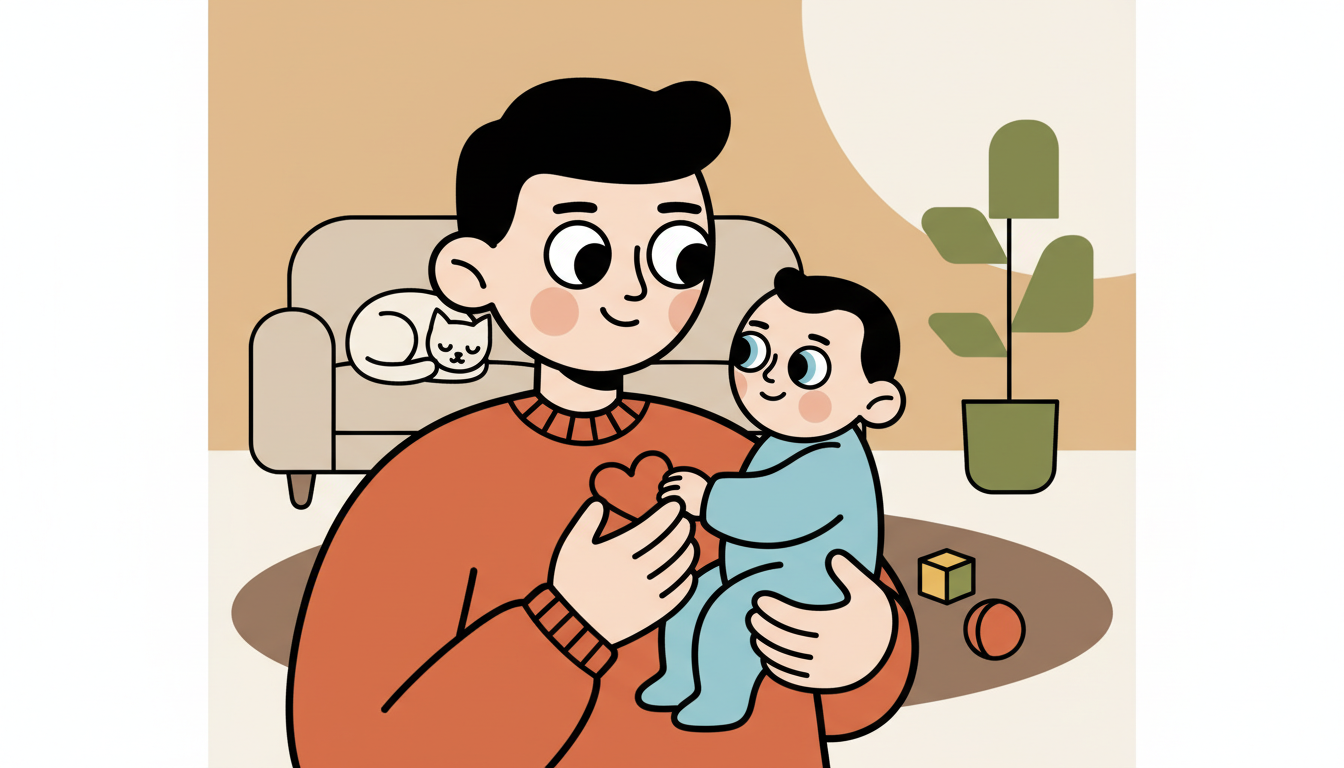
When your child cries or fusses, name what they might be feeling. Say things like "You seem frustrated" or "I hear you're upset." This begins their journey of understanding emotions. When you name feelings calmly, you show that emotions are manageable and can be talked about.
Teil der Steadily-Entwicklungsreise — personalisiert für dein Kind.
So geht diese Aktivität
When your child cries or fusses, name what they might be feeling. Say things like "You seem frustrated" or "I hear you're upset." This begins their journey of understanding emotions. When you name feelings calmly, you show that emotions are manageable and can be talked about.
Warum es funktioniert
Naming emotions during distress builds emotional awareness that underlies conflict resolution. When children learn to identify and express feelings, they develop skills for managing disagreements. Research shows children who learn these skills early demonstrate 40% better social competence and leadership abilities (Johnson & Johnson, 1996).
Tipps für Eltern
Use a calm, matter-of-fact tone when naming emotions.
You don't need to fix the feeling, just acknowledge it.
This simple practice helps your child begin to understand their internal experiences.
Benötigte Materialien
None
Lernmethoden
Responsive Interaction

Hat dir diese Aktivität gefallen? Lass uns die Planung für dich übernehmen.
Steadily personalisiert jede Aktivität für dein Kind — seine Interessen, seine Entwicklungsstufe, die Eigenschaften, die es aufbaut — damit die Spielzeit mehr Spaß macht und jeder Moment zählt.
Erfahre, wie Steadily funktioniert →