Name feelings together
0–6 moisFamily ConnectionAucun matériel nécessaire
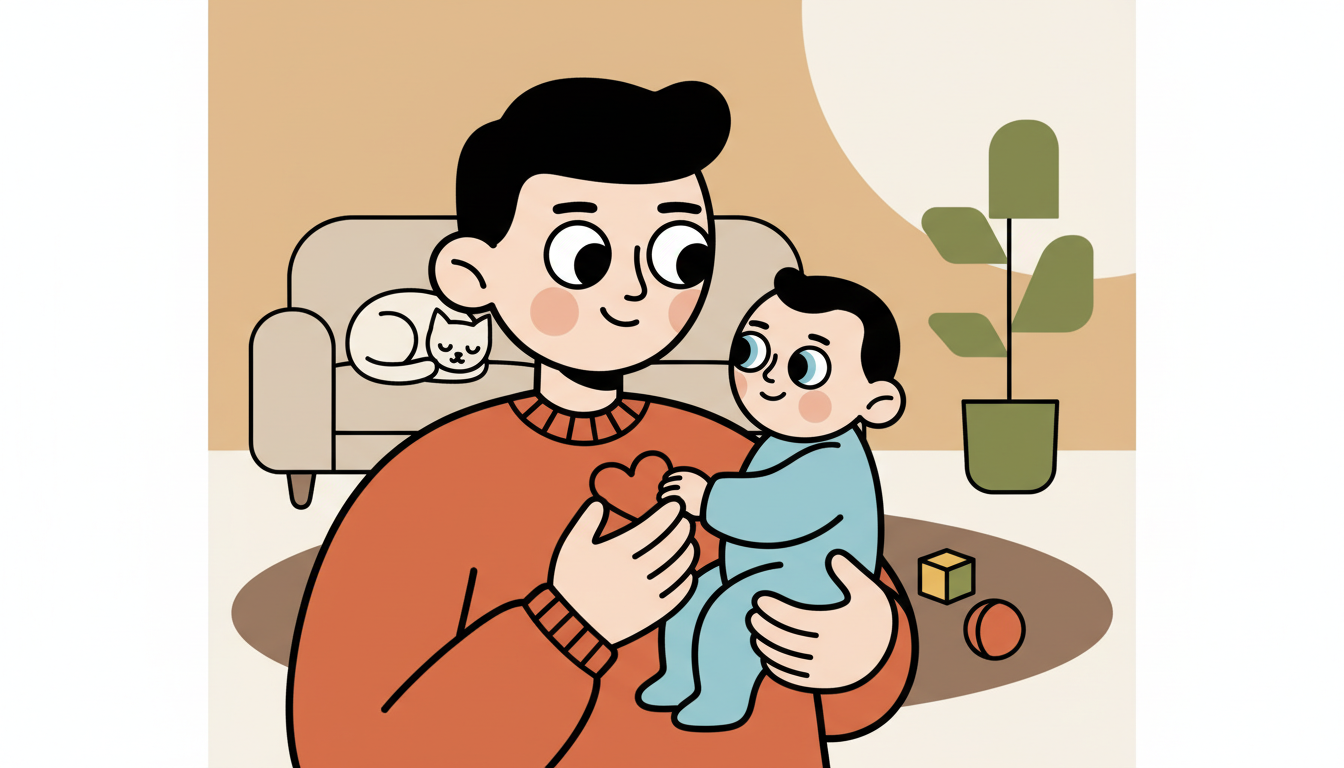
When your child cries or fusses, name what they might be feeling. Say things like "You seem frustrated" or "I hear you're upset." This begins their journey of understanding emotions. When you name feelings calmly, you show that emotions are manageable and can be talked about.
Fait partie du parcours de développement Steadily — personnalisé pour ton enfant.
Comment faire cette activité
When your child cries or fusses, name what they might be feeling. Say things like "You seem frustrated" or "I hear you're upset." This begins their journey of understanding emotions. When you name feelings calmly, you show that emotions are manageable and can be talked about.
Pourquoi ça marche
Naming emotions during distress builds emotional awareness that underlies conflict resolution. When children learn to identify and express feelings, they develop skills for managing disagreements. Research shows children who learn these skills early demonstrate 40% better social competence and leadership abilities (Johnson & Johnson, 1996).
Conseils pour les parents
Use a calm, matter-of-fact tone when naming emotions.
You don't need to fix the feeling, just acknowledge it.
This simple practice helps your child begin to understand their internal experiences.
Matériel nécessaire
None
Méthodes d'apprentissage
Responsive Interaction

Tu as aimé cette activité ? Laisse-nous planifier pour toi.
Steadily personnalise chaque activité pour ton enfant — ses centres d'intérêt, son stade de développement, les traits qu'il développe — pour que le jeu soit plus amusant et que chaque instant compte.
Découvre comment fonctionne Steadily →