Name feelings together
0–6 महीनेFamily Connectionकिसी सामग्री की आवश्यकता नहीं है
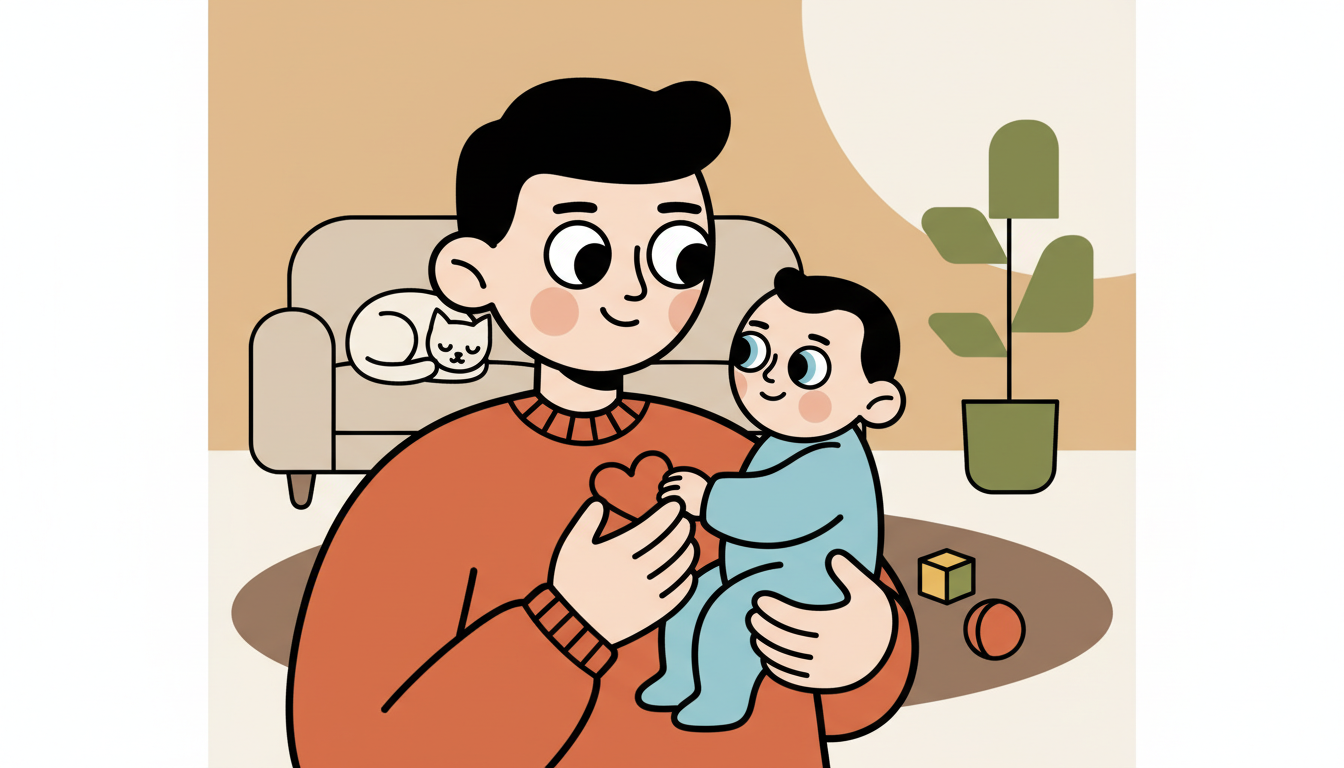
When your child cries or fusses, name what they might be feeling. Say things like "You seem frustrated" or "I hear you're upset." This begins their journey of understanding emotions. When you name feelings calmly, you show that emotions are manageable and can be talked about.
Steadily की विकासात्मक यात्रा का हिस्सा — जो तुम्हारे बच्चे के लिए व्यक्तिगत रूप से तैयार की गई है।
यह गतिविधि कैसे करें
When your child cries or fusses, name what they might be feeling. Say things like "You seem frustrated" or "I hear you're upset." This begins their journey of understanding emotions. When you name feelings calmly, you show that emotions are manageable and can be talked about.
यह क्यों काम करता है
Naming emotions during distress builds emotional awareness that underlies conflict resolution. When children learn to identify and express feelings, they develop skills for managing disagreements. Research shows children who learn these skills early demonstrate 40% better social competence and leadership abilities (Johnson & Johnson, 1996).
माता-पिता के लिए टिप्स
Use a calm, matter-of-fact tone when naming emotions.
You don't need to fix the feeling, just acknowledge it.
This simple practice helps your child begin to understand their internal experiences.
ज़रूरी सामग्री
None
सीखने के तरीके
Responsive Interaction

यह गतिविधि पसंद आई? चलो, प्लानिंग हम तुम्हारे लिए कर देते हैं या योजना बनाने का काम हम पर छोड़ दो।
Steadily हर गतिविधि को तुम्हारे बच्चे की रुचियों, उनके पड़ाव, और जिन गुणों को वे विकसित कर रहे हैं उनके अनुसार तैयार करता है — ताकि खेल का समय और मज़ेदार हो और हर पल काम आए।
जानो कि Steadily कैसे काम करता है →