Name feelings together
0–6 மாதங்கள்Family Connectionபொருட்கள் எதுவும் தேவையில்லை
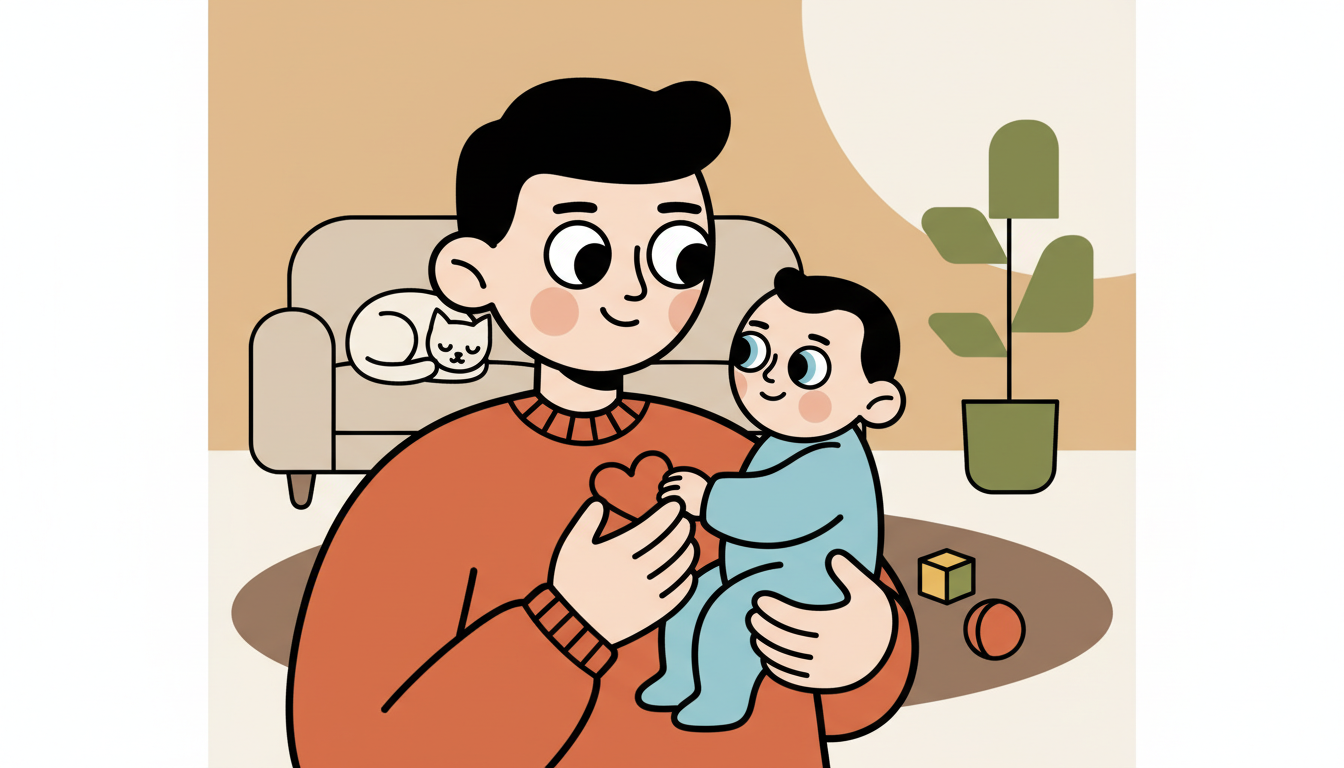
When your child cries or fusses, name what they might be feeling. Say things like "You seem frustrated" or "I hear you're upset." This begins their journey of understanding emotions. When you name feelings calmly, you show that emotions are manageable and can be talked about.
உன் குழந்தைக்கு ஏற்ப தனிப்பயனாக்கப்பட்ட Steadily வளர்ச்சி அத்தியாயத்தின் ஒரு பகுதி.
இந்தச் செயல்பாட்டை எப்படிச் செய்வது
When your child cries or fusses, name what they might be feeling. Say things like "You seem frustrated" or "I hear you're upset." This begins their journey of understanding emotions. When you name feelings calmly, you show that emotions are manageable and can be talked about.
இது ஏன் வேலை செய்கிறது
Naming emotions during distress builds emotional awareness that underlies conflict resolution. When children learn to identify and express feelings, they develop skills for managing disagreements. Research shows children who learn these skills early demonstrate 40% better social competence and leadership abilities (Johnson & Johnson, 1996).
பெற்றோருக்கான உதவிக்குறிப்புகள்
Use a calm, matter-of-fact tone when naming emotions.
You don't need to fix the feeling, just acknowledge it.
This simple practice helps your child begin to understand their internal experiences.
தேவையான பொருட்கள்
None
கற்றல் முறைகள்
Responsive Interaction

இந்தச் செயல்பாடு உனக்குப் பிடித்திருக்கிறதா? உனக்காகத் திட்டமிடும் வேலையை நாங்கள் செய்கிறோம்.
Steadily ஒவ்வொரு செயல்பாட்டையும் உனது குழந்தையின் ஆர்வங்கள், அவர்களின் வளர்ச்சி நிலை மற்றும் அவர்கள் வளர்த்துக் கொள்ளும் குணநலன்கள் ஆகியவற்றிற்கு ஏற்ப தனிப்பயனாக்குகிறது — இதனால் விளையாட்டு நேரம் மிகவும் வேடிக்கையாக இருப்பதோடு, ஒவ்வொரு தருணமும் பயனுள்ளதாக அமைகிறது.
Steadily எவ்வாறு செயல்படுகிறது என்பதை அறிந்துகொள் →